
Large Language Models — From Architecture to Application
"Understanding what a model actually does is more useful than knowing how to prompt it."

A structured path through the mechanics of modern LLMs
Most people interacting with language models have a working understanding of inputs and outputs, but very little clarity on what happens in between. This program closes that gap — starting with transformer attention mechanisms and building toward practical deployment decisions.
The curriculum is built for developers, analysts, and researchers who need technical depth, not surface-level overviews. Each module includes working code examples in Python, reproducible experiments, and documented failure cases alongside successes.
Curriculum modules
- Tokenization, embeddings, and vocabulary design
- Attention heads — scaled dot-product and multi-head variants
- Pre-training objectives — causal LM vs masked LM tradeoffs
- Fine-tuning with LoRA and RLHF — when each approach fits
- Evaluation — perplexity, BLEU, and human preference scoring
- Inference optimization — quantization, KV caching, speculative decoding
- RAG pipelines — retrieval architecture and chunking strategies
The people who built and teach this program
About Hometown Hub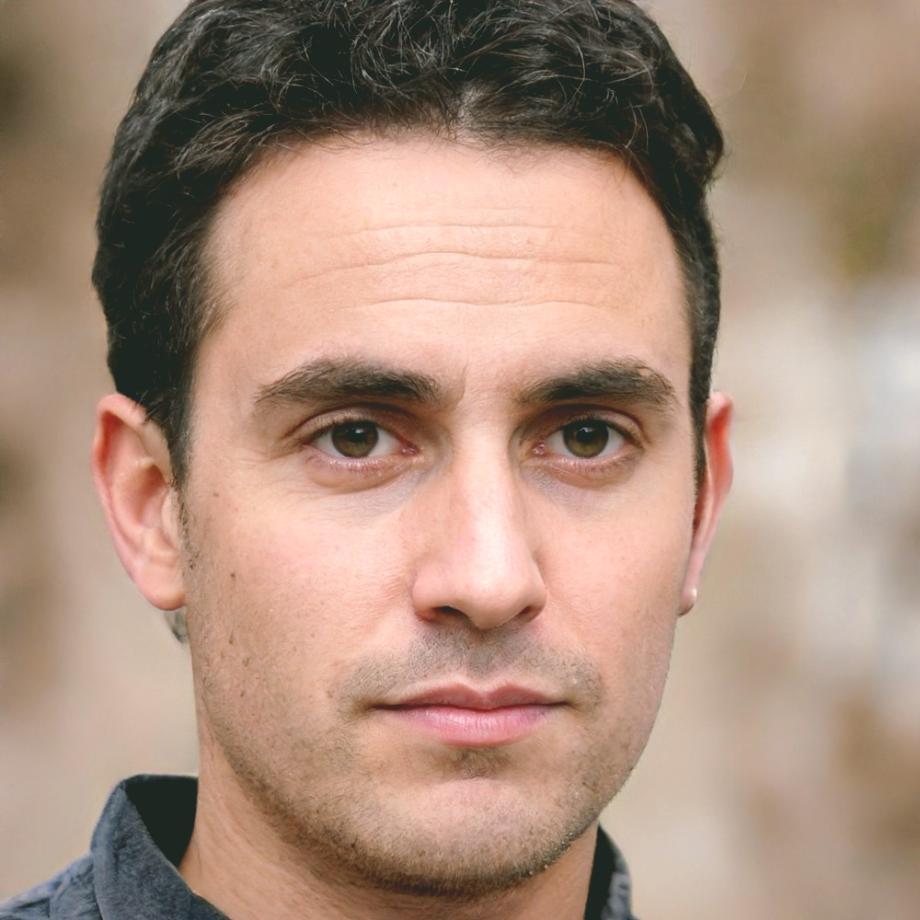
Tobias Wendel
LLM Research Lead
Spent six years studying language model scaling at a computational linguistics lab. Leads the architecture and pre-training modules.

Nadia Ferreira
Applied ML Engineer
Focuses on fine-tuning pipelines and evaluation methodology. Has shipped LLM-based tools used across three production environments.

Arjun Pillai
Inference Systems Specialist
Covers the deployment and optimization modules — quantization, batching strategies, and latency profiling in real inference environments.
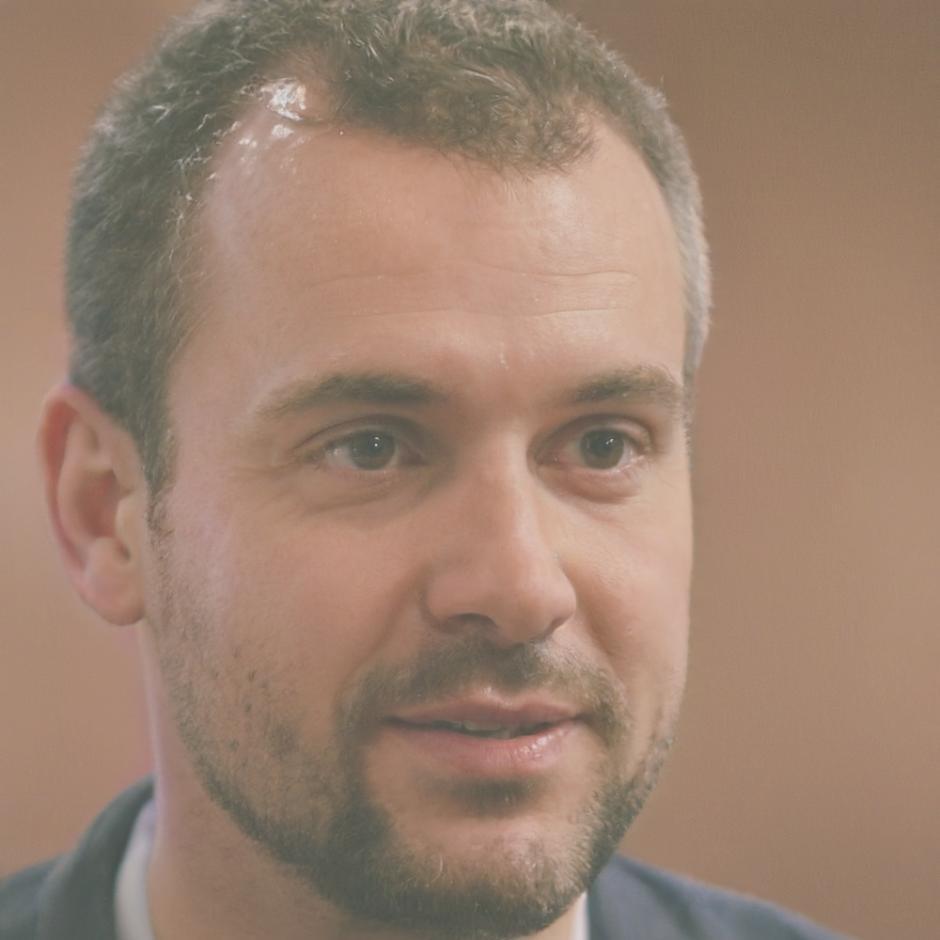
Oskar Lindqvist
RAG & Retrieval Architect
Designed retrieval-augmented systems for multilingual corpora. Teaches the RAG module and runs the live Q&A sessions on context window management.